
Dealing with back pain can be agonizing, since it limits your mobility and impacts every aspect of your daily life. But many veterans do not know how to access VA benefits for back pain, or whether their condition counts as a service-connected disability. Your disability rating for back pain determines the VA disability benefits you receive. And your symptom severity, frequency, and medical diagnosis all influence your VA rating for back pain percentage. We’ll explain the average VA disability rating you can expect, how to show a service connection, and helpful success tips below.
Understanding Your VA Rating for Back Pain: Key Takeaways
- Range of motion is key. Your ability to move your spine affects your disability rating significantly, and full rage of motion usually gets a 10% rating.
- Ratings vary by severity. VA back pain ratings range anywhere from 10% up to 100%, depending on how much it limits your mobility.
- Secondary conditions can help boost your chances of a successful VA claim. Additional health issues related to your back pain can increase your overall disability rating.
- Supporting documentation and the right medical evidence is crucial. Providing detailed medical records and evidence strengthens your VA claim’s chances for approval.
- Seek professional help for a higher VA disability rating or claim denial. A VA-accredited lawyer can guide you through the claims process, improve your chances for a higher rating, or potentially reverse a claim denial.
Back Pain Sources and Levels of Severity to Include in Your VA Benefits Claim
Back pain can vary widely in how it affects you, meaning it can also impact your potential VA disability benefits. Some backaches are acute, meaning they come on suddenly and last only a brief time. But others are chronic and can persist for months or even years. Common types and sources of back pain include:
- Muscle strain
- Herniated discs
- Spinal stenosis
- Degenerative disc disease
- Obesity
- Traumatic spinal cord injury (i.e., combat accident, car wreck, etc.)
Your back pain’s severity is also measured in levels ranging from mild to severe. Mild back pain might cause you some discomfort, but has little impact on your daily activities. Meanwhile, severe back pain can make it hard for you to move, work, or even perform simple tasks like cleaning, bathing, and doing laundry. Understanding the type and severity of your back pain helps in applying for the right VA disability benefits.
Common Causes of Back Pain in Military Veterans
Back pain affects military personnel more often than civilians, with 32.8% of veterans suffering from back pain. This pain can arise from various sources related to the physical demands and experiences during service. Understanding these common causes is essential for veterans to identify and document the origins of their back pain when applying for VA disability benefits.
- Repetitive physical strain that comes from frequently lifting or carrying heavy equipment and rigorous combat training.
- Posture-related issues due to prolonged periods of standing, sitting, or improper lifting techniques that can cause discs to bulge and pull back muscles.
- Normal wear and tear on the human body that happens over time, such as degenerative disc disease and osteoarthritis.
- Physical and psychological stress can exacerbate muscle spasms and tension, leading to sudden and temporary increases pain.
- VA secondary conditions that cause a functional loss or abnormal gait, such as partial paralysis or limb amputations.
Recognizing these factors is crucial for you to effectively communicate your back pain’s military service connection. Proper documentation and understanding of your pain’s root cause is essential for filing a successful VA disability claims.
Is Back Pain Eligible for VA Disability Benefits?
Back pain can qualify for VA disability benefits if you can show a direct connection to your military service. The Department of Veterans Affairs (VA) recognizes various back conditions as service-connected disabilities, provided there is sufficient evidence linking the pain to an in-service injury or condition.
Eligibility criteria to receive VA disability benefits for back pain include:
- Proof of service connection, meaning your medical history shows your pain started or got worse because of your military service. You can request a medical nexus letter from your physician at the VA to cover this step.
- Sufficient supporting evidence of your service-related disability. Provide medical and military service records, documentation of your official diagnosis, and any treatment notes from your doctors that support your claim.
- Favorable C&P exam results. To pass your compensation and pension (C&P) exam, you must show functional loss in your range of motion that limits your ability to move your back.
- Information about relevant secondary conditions. Include any and all related health issues, such as radiculopathy, sciatica, or arthritis, that result from your primary back condition.
Establishing eligibility requires thorough documentation of your back pain and how your military service caused it. This includes:
- Obtaining medical evaluations from an osteopathic physician
- Gathering service records that mention prior back injuries or related issues, like a broken leg or prescribed physical therapy
- Depositions from fellow service members who can verify your back pain started either during or immediately after your discharge from service
And if your back pain causes other health problems, documenting these secondary conditions can strengthen your claim and potentially increase your overall disability rating.
Related Secondary Conditions That Can Increase Your Combined Disability Rating and Benefit Pay
Intervertebral Disc Syndrome (IVDS)
This is simply another term for degenerative disc disease (DDD), which happens when the bones in your spinal column break down. Intervertebral disc syndrome causes the following symptoms that can limit your ability to work:
- Chronic pain
- Numbness
- Muscle weakness in your back, neck, arms, or legs
- Bulging discs (herniations) in your upper, middle, or lower back, or some combination of them
- Bone spurs that press on your spinal column, causing radiating chronic nerve pain
- Trouble walking, standing, or bending over without help
Radiculopathy
You may hear people refer to radiculopathy as a pinched nerve in the back. What doctors call it usually indicates where the symptoms most affect you, such as:
- Cervical radiculopathy means you feel pain, numbness, tingling, or muscle weakness in one or both arms.
- Thoracic radiculopathy means you feel those same symptoms in the middle of your back due to nerve root compression.
- Lumbar radiculopathy means inflammation in your thoracolumbar spine, which affects the muscles and nerves in your buttocks, legs, and feet.
Mental Health Conditions, Like Anxiety or Depression
Living with chronic back pain can cause mental health-related secondary conditions due to your symptoms’ impact on your quality of life. Anxiety and depression are already quite common among U.S. military veterans, and they also qualify for VA disability compensation.
Who’s Eligible to File a VA Disability Compensation Claim?
Veterans with a discharge status other than dishonorable from active military, naval, or air service can file a VA disability claim for back pain. To qualify, you must show a service connection for your condition and a current medical diagnosis.

What is the Average VA Disability Rating for Back Pain?
The VA rates back pain using diagnostic criteria listed in its General Rating Formula for Diseases and Injuries of the Spine, 38 CFR § 4.71a. This criteria helps the VA measure the severity of your condition based on factors like spinal mobility limitations, ongoing pain levels, and how much your symptoms affect your daily life. Ratings typically range from 10% to 100%, with higher percentages indicating worsening symptoms or poorer physical health. The VA’s average rating for back pain is about 20%.
A 100% rating entitles you to total disability/individual unemployability benefits at the maximum compensation rate. In other words, you cannot hold any job or maintain substantially gainful employment due to your back pain issues.
During your scheduled Compensation & Pension (C&P) exam, a medical professional will:
- Evaluate your spine’s range of motion by measuring the degree to which you can bend forward (forward flexion), twist from side to side, etc.
- Note any signs of ankylosis (stiffness) that limit your ability to move as expected.
- Check you for muscle spasms, tremors, or other visible issues.
After reviewing your medical evidence and completing your C&P exam, a claims examiner will determine your VA disability rating.
How to Interpret Your VA Disability Rating Percentage
Here’s how to translate what your back pain VA rating means:
| VA Disability Rating | What It Takes to Get This Rating |
|---|---|
| 10% | This means any one of these describes you:
|
| 20% | This rating indicates any one of these may apply:
|
| 30% | This usually indicates any one of the following applies:
|
| 40% | This usually indicates that any one of these applies:
|
| 50% | Your entire thoracolumbar spine (i.e., your mid-to-lower back) is stiff and fixed in an unfavorable position. |
| 100% | Your entire spine is stiff and fixed in an unusable position (unfavorable). |
Key Factors Affecting Your VA Disability Rating
- Range of motion (ROM), measured in degrees, which indicates how far you can bend or twist your back without feeling any pain.
- Ankylosis. A spine that’s partially or completely immobile can increase your back pain VA rating.
- Frequency of flare-ups. More frequent episodes can help justify a higher disability percentage.
- Proof of relevant, related health conditions. Complications like sciatica can boost your overall rating and serve as a secondary disability.
- Symptom severity and consistency, despite ongoing treatment. Medical records reflecting ongoing back pain issues that don’t improve under a doctor’s care can help validate your claim.
How Your Back Pain Disability Rating Affects Your VA Benefits Amount
VA disability payments for back pain depend on the severity of your condition and how much it impacts your daily life. The VA looks at factors like range of motion, frequency of incapacitating episodes, and whether your spine is stuck in certain positions. These ratings can change annually based on the approved cost-of-living-adjustment percentage every October.
In 2026, veterans can expect the following monthly payments based on their assigned VA disability percentage:
- 0% disability rating: $0.00 per month
- 10% disability rating: $180.42 per month
- 20% disability rating: $356.67 per month
- 30% disability rating: $552.47 per month
- 40% disability rating: $795.84 per month
- 50% disability rating: $1,132.90 per month
- 60% disability rating: $1,435.02 per month
- 70% disability rating: $1,808.45 per month
- 80% disability rating: $2,102.15 per month
- 90% disability rating: $2,362.30 per month
- 100% disability rating: $3,938.58 per month
These amounts offer a general idea of what to expect if you file a successful VA benefits claim. Factors like secondary conditions or evidence of additional impairment can potentially boost your rating.
Applying for VA Disability Compensation for Chronic Back Pain
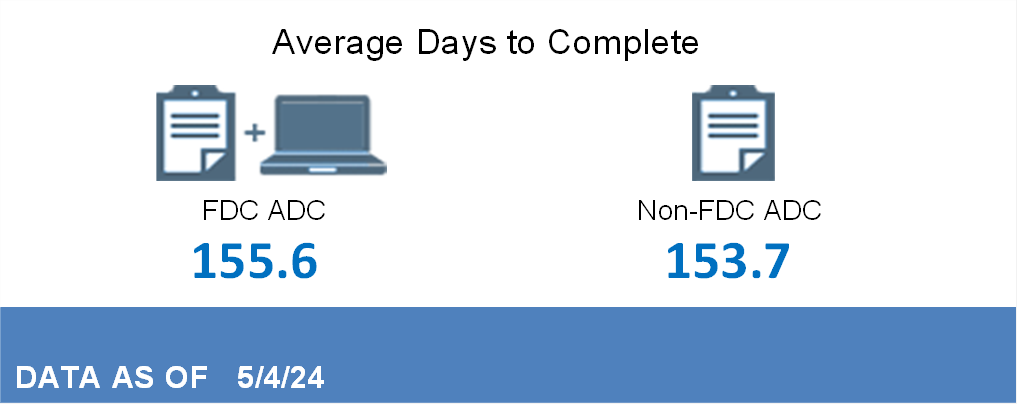
You can file a fully developed claim (FDC) with the VA directly through VA.gov. However, it’ll take you 9 days longer to get a response back from the VA on your claim if you go that route.
Our suggestion is to work with a VA-accredited attorney on your claim. Why? Because they don’t charge anything up front for professional help appealing a prior denial or filing your initial claim. And if you’re hoping to secure benefits on appeal, you have the highest possible chances for success (42.7% with an attorney vs. 29.7% without).
Tips to Maximize Your Back Pain VA Rating and Compensation Pay
Step 1: Thoroughly Track Daily Pain Symptoms by Severity
Keeping a daily symptom or pain level diary can help show when you have more bad days than good with your condition. You can also more easily track your pain’s impact on your everyday life and how much it limits your activities.
Step 2: Secure Medical Nexus Letter to Establish Service Connection
Your doctor should be able to help you with this step. It’s helpful, for example, if your doctor first prescribed pain medication for a back injury during active duty.
Step 3: Work with an Attorney to Secure A Higher VA Rating for Back Pain
If you already received a VA rating that you think is too low, consult a veterans’ disability lawyer to review your options. You may potentially receive a higher VA rating for back pain with additional medical evidence, legal representation, or worsening symptoms.
Get a VA-Accredited Lawyer to Appeal Your Claim’s Denial
Navigating the VA disability claims process isn’t easy when you’re dealing with chronic pain. A VA-accredited lawyer has the right training and experience to guide you through it successfully. They can help gather strong medical evidence, prepare your case, and speak on your behalf during hearings and appeals. This kind of support often increases the odds of getting the highest possible rating and fair compensation from the VA.
Working with an experienced lawyer ensures that you meet all filing requirements and avoid common pitfalls. This can save you time, reduce stress, and help you secure the benefits you deserve for your service-connected back pain.
Lori Polemenakos is Director of Consumer Content and SEO strategist for LeadingResponse, a legal marketing company. An award-winning journalist, writer and editor based in Dallas, Texas, she's produced articles for major brands such as Match.com, Yahoo!, MSN, AOL, Xfinity, Mail.com, and edited several published books. Since 2016, she's published hundreds of articles about Social Security disability, workers' compensation, veterans' benefits, personal injury, mass tort, auto accident claims, bankruptcy, employment law and other related legal issues.