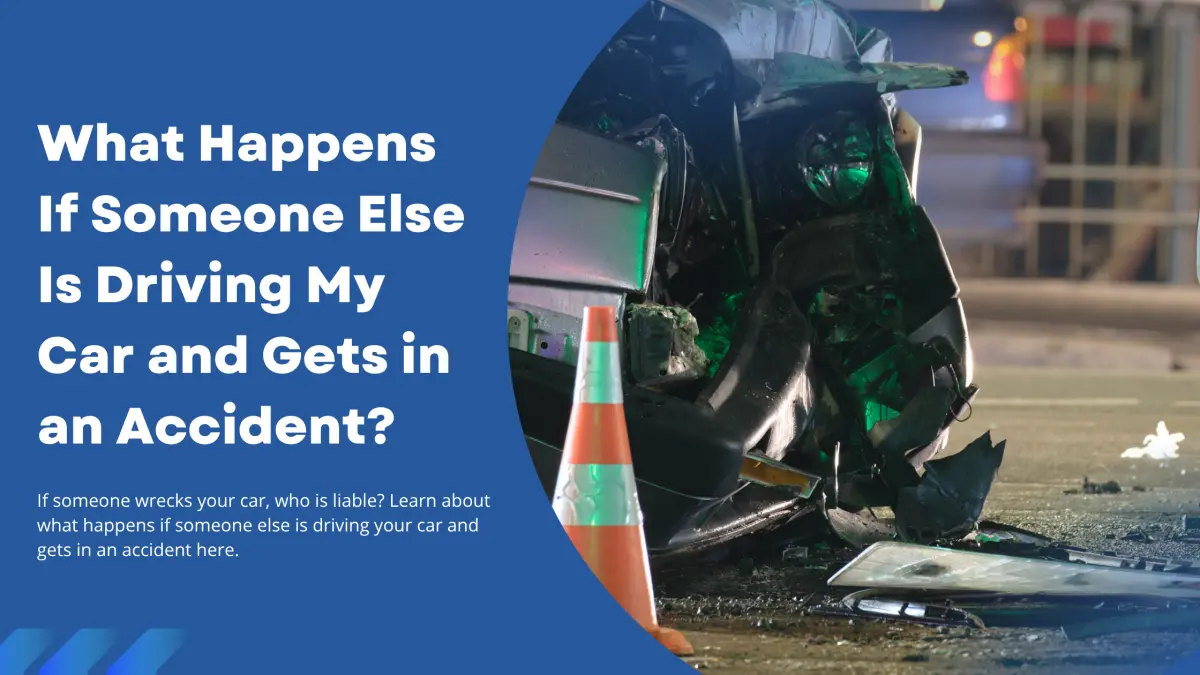
Lending your car to someone else is common in everyday life. Whether you let a friend borrow your vehicle to run errands, allow a family member to drive your car for the day, or ask someone to help you get home after a night out, you assume everything will be fine. However, a major headache unfolds if the driver crashes. You might suddenly wonder what happens if someone else is driving my car and gets in an accident. In most cases, auto insurance follows the vehicle rather than the driver. Therefore, your insurance policy acts as the primary source of coverage. Understanding liability helps you avoid unexpected financial and legal complications after an accident.
Ready to see if you may qualify? Click here to get a FREE, no-obligation consultation before starting your claim.
If Someone Wrecks My Car, Who Is Liable? Key Takeaways
- Insurance follows the car, not the driver: If someone else is driving your car and gets in an accident, the claim goes on your record. This affects your insurance rates.
- Whose insurance pays depends on Permissive vs. Non-permissive use: Whether you gave permission to the person who drove your car determines who pays for the accident.
- Your liability coverage typically pays for the damages inflicted: If the damages exceed your insurance limit, the borrower’s insurance covers the costs.
- Issuers can reduce or deny coverage for certain reasons: Common examples include uninsured/unlicensed drivers, and unlisted household members.
Will My Insurance Cover an Accident When Someone Else is Driving My Car?
If you’ve ever asked yourself, “What happens when someone else is driving my car and gets in an accident?”, fortunately, your insurance usually covers it. If you gave the driver verbal permission and they have a valid license, your insurance typically covers the damage. However, unique circumstances can change this rule. For example, if an unlisted household member drives your car regularly without coverage, your insurance may deny the claim. Always check your policy rules before handing over the keys.
Does Insurance Coverage Depend on the Type of Accident or Who’s At Fault?
Insurance coverage typically depends on both the type of accident and who caused it. Fault determines what happens if someone else is driving my car and gets in an accident.
If the driver is at fault:
- Your policy’s liability coverage typically pays for the victim’s car repairs and their medical bills.
- The borrower’s insurance acts as a secondary source if damages exceed your policy limit.
If the driver is not at fault:
- The at-fault driver’s insurance coverage pays for your vehicle damages and injuries.
- If the at-fault driver lacks insurance, your uninsured motorist coverage protects your vehicle and the driver.
Shared liability laws can complicate these situations. Some states use a no-fault system. In these states, personal injury protection (PIP) covers each person’s injuries and damages. Other states look at comparative negligence, modified comparative negligence, or contributory negligence. This measures each driver’s percentage of fault. These laws heavily dictate your financial recovery when figuring out what happens if someone else is driving my car and gets in an accident.
What If They Drove My Car Without Permission?
Driving someone else’s car without permission is illegal. It can bring serious legal consequences. This “non-permissive” use can count as “grand theft.” Courts can punish this conviction with jail time, fines, and license suspensions. If a non-permissive driver wrecks your vehicle, they assume liability for the collision. The driver’s personal insurance policy must cover the property damage and any physical injuries.
Will the Accident Use My Insurance or the Insurance of the Person Driving My Car?
Typically, the accident will use the vehicle owner’s insurance. Your policy provides primary coverage when tracking what happens if someone else is driving my car and gets in an accident. If the driver has insurance, it acts as secondary coverage. This applies if your insurance does not fully cover the damages. However, this rule only applies if you gave the driver permission first.
Different coverage types handle specific aspects of the crash. These types include:
- Liability coverage: This pays for injury and property damage caused to other people.
- Collision and comprehensive coverage: This pays for vehicle repairs regardless of who drove.
- Medical payments (MedPay) and personal injury protection (PIP): This covers medical expenses for you, your driver, and passengers. Fault does not matter.
- Non-owner car insurance policies: This provides secondary protection for drivers who frequently borrow vehicles.
Can My Car Insurance Refuse to Pay for the Crash?
Your insurance company can refuse to pay for damages under certain conditions. Even though auto insurance typically follows the car, coverage does not apply to every scenario. Policy terms heavily dictate what happens if someone else is driving my car and gets in an accident. If the total damages requested exceeds your policy limit, your insurer will deny your claim. They also deny claims that violate your policy terms.
Common reasons why insurance companies deny coverage:
- Late claim filing: If you submit a claim to your insurance company after the deadline passes, then they may not accept it.
- The accident took place outside of the geographical coverage area: Some insurance policies limit your coverage if the accident occurred outside of its geographical range.
- The insurance company used has bad faith: Insurers fail to honor their policy obligations when they wrongfully reject a valid claim.
- There is insufficient evidence or documentation for the accident: A lack of photos, videos, statements, police reports can prevent a successful claim.
- Non-payment of premium or policy lapse: If you miss your premium payment, the policy becomes inactive. The company will deny your claim.
- Excluded drivers: Your insurance will reject claims if a specifically excluded household member drove the car.
Understand your policy terms before allowing someone to drive your car. After an accident, gather evidence immediately. Take pictures, write descriptions, gather witness information, and get a copy of the police report. These steps strengthen your claim. Report the accident to your insurance company as soon as possible to avoid unnecessary delays or denials.
Should I Hire an Attorney If Someone Else Crashes My Car?
If you face disputes after someone else crashes your car, consider hiring a lawyer. Ultimately, the right person to help you understand “What happens if someone else is driving my car and gets in an accident? is going to be an attorney. Lawyers can help you navigate what happens next and minimize any negative consequences for you as the vehicle owner. You should look into legal representation when:
- Your insurance company wrongfully denies your claim.
- The accident caused severe injuries or extensive damages.
- The total accident damages exceeds your policy limits.
- Disputes exist regarding whether you gave the driver permission.
Things to Consider When Allowing Someone to Borrow Your Car
Be extremely cautious when letting someone else borrow your vehicle, even if you fully trust them. One wrong move can create a messy situation for everyone involved. Know your insurance policies. Understand the proper steps to take if an accident happens. This knowledge makes all the difference when you file a claim.
Ready to see if you may qualify? Click here to get a FREE, no-obligation consultation before starting your claim.
Cristina Carulli is a B2C Content Marketing Intern at LeadingResponse and a student at Florida State University studying Marketing and Management Information Systems. She enjoys writing creative content and exploring innovative marketing strategies. Outside of work, she is actively involved in her sorority and other leadership organizations and campus events.